Frequently Asked Questions
Getting started
-
Start with a free discovery call. It's a no-pressure 15-minute chat where you can share what's on your mind and we can help figure out whether speech language therapy is the right next step and whether Wild About Words is the right fit for your family.
-
No referral needed. You can get in touch directly and we'll take it from there.
-
The first session is all about getting to know your child - their personality, their interests, how they communicate, and what feels challenging. There's no pressure to perform. We follow your child's lead and make sure they feel comfortable from the start.
-
Every child is different, so there's no one-size-fits-all answer. Some children reach their goals in a handful of sessions; others benefit from longer-term support. After the initial assessment, we'll give you a clearer picture of what to expect and check in regularly to make sure therapy is working for your family.
Therapy approach & style
-
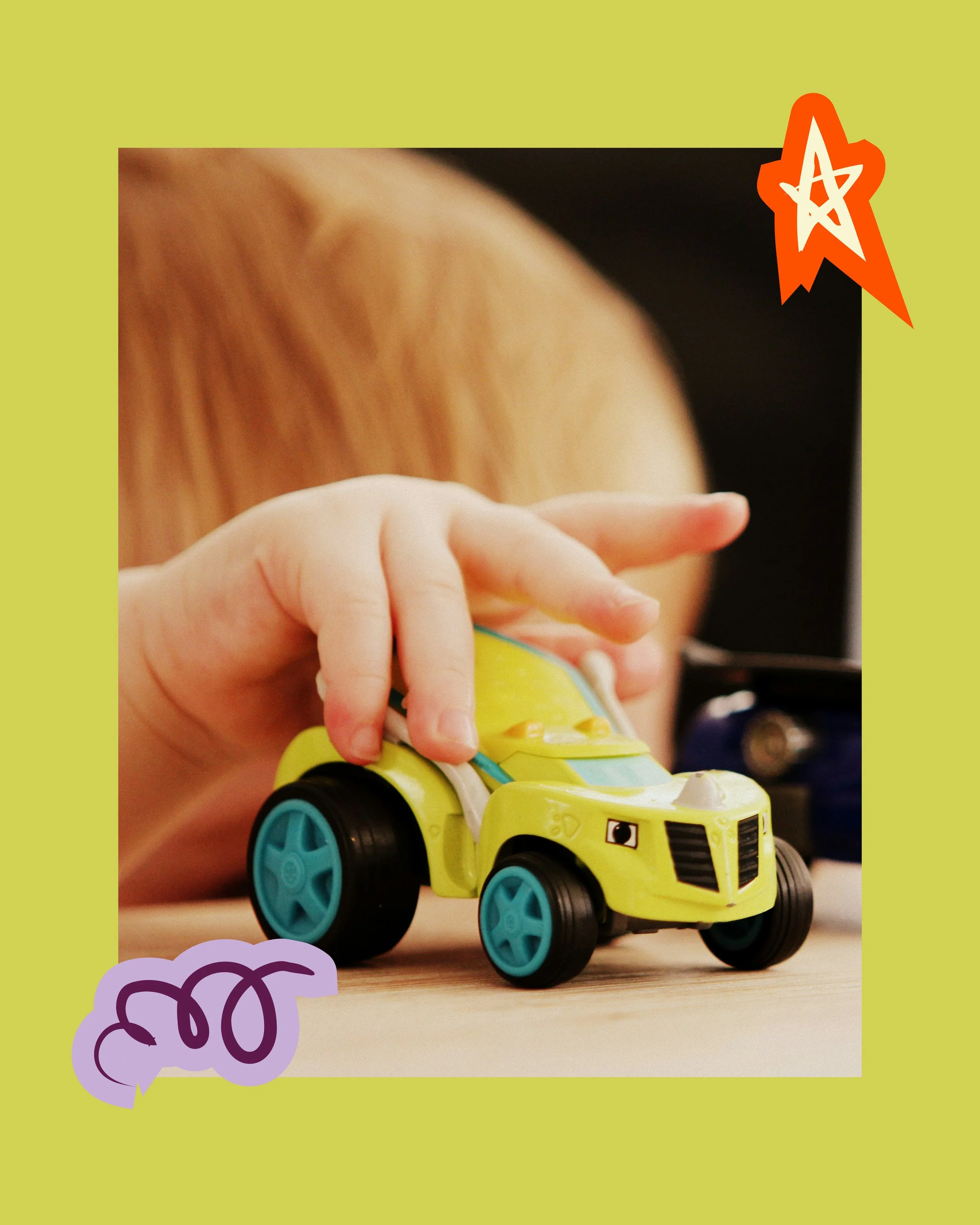
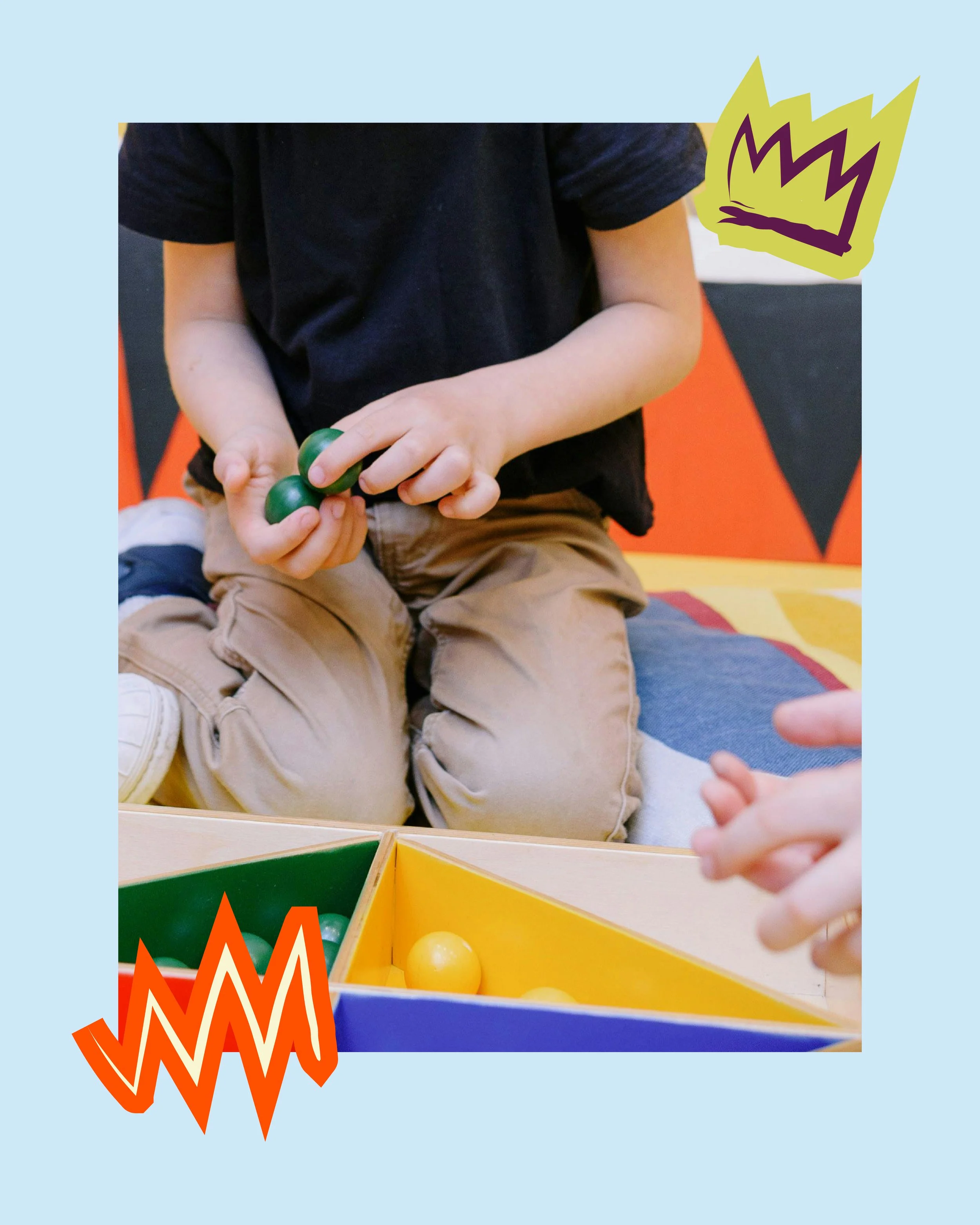
Sessions are play-based and child-led which means we follow your child's interests rather than running through a set script. Therapy might look like playing with toys, reading books, doing an activity your child loves, or exploring a communication device. The goal is always for your child to feel safe, engaged, and having fun.
-
Yes and we think this is one of the most important parts of what we do. Parents and caregivers are always welcome in sessions, and we'll regularly share strategies and ideas so you feel confident supporting your child's communication at home. Progress happens fastest when therapy extends beyond our time together.
-
We hear this a lot. Wild About Words takes a neuroaffirming approach which means we don't push children to perform, comply, or fit into a neurotypical mould. Sessions are built around safety, connection, and your child's strengths. If something isn't working, we change it.
AAC
Augmentative and Alternative Communication
-
AAC stands for Augmentative and Alternative Communication — it's an umbrella term for all the ways we can communicate beyond speech. This includes low-tech options like picture boards and sign language, as well as high-tech options like speech-generating devices and apps. AAC isn't a last resort for many children, it's the key that unlocks communication.
-
No and this is one of the most common myths we come across. Research consistently shows that AAC supports speech development, not the other way around. Giving your child more ways to communicate builds confidence, reduces frustration, and often encourages spoken language to develop alongside it.
-
Yes. As a CAT Level 1 accredited therapist I can support private AAC assessment, trial, and funding applications so you don't have to wait. Get in touch to discuss what's right for your child.
Logistics
-
Sessions can take place in your home, at your child's school or early childhood centre - whatever works best for your family and your child. We believe therapy works best in the environments where your child actually lives and learns.
-
We ask for at least 24 hours notice for cancellations where possible. We understand that life with kids is unpredictable. If something comes up, just get in touch as soon as you can and we'll do our best to find a solution.